NeurIPS 2026
StitchEdit
Stitching Depth Priors into Image Editors
via Per-Layer Gradient Probing
The Hong Kong University of Science and Technology
† Corresponding author
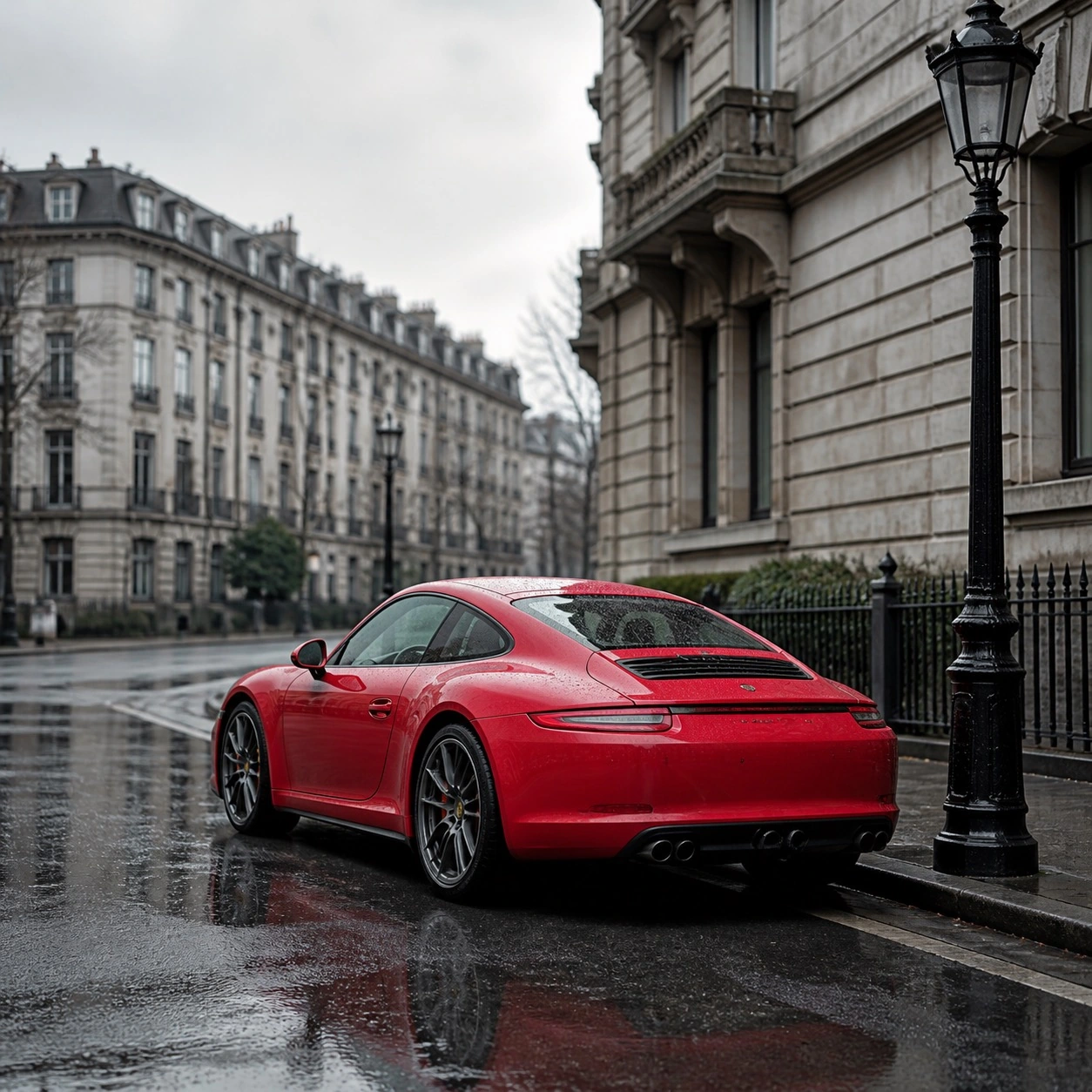
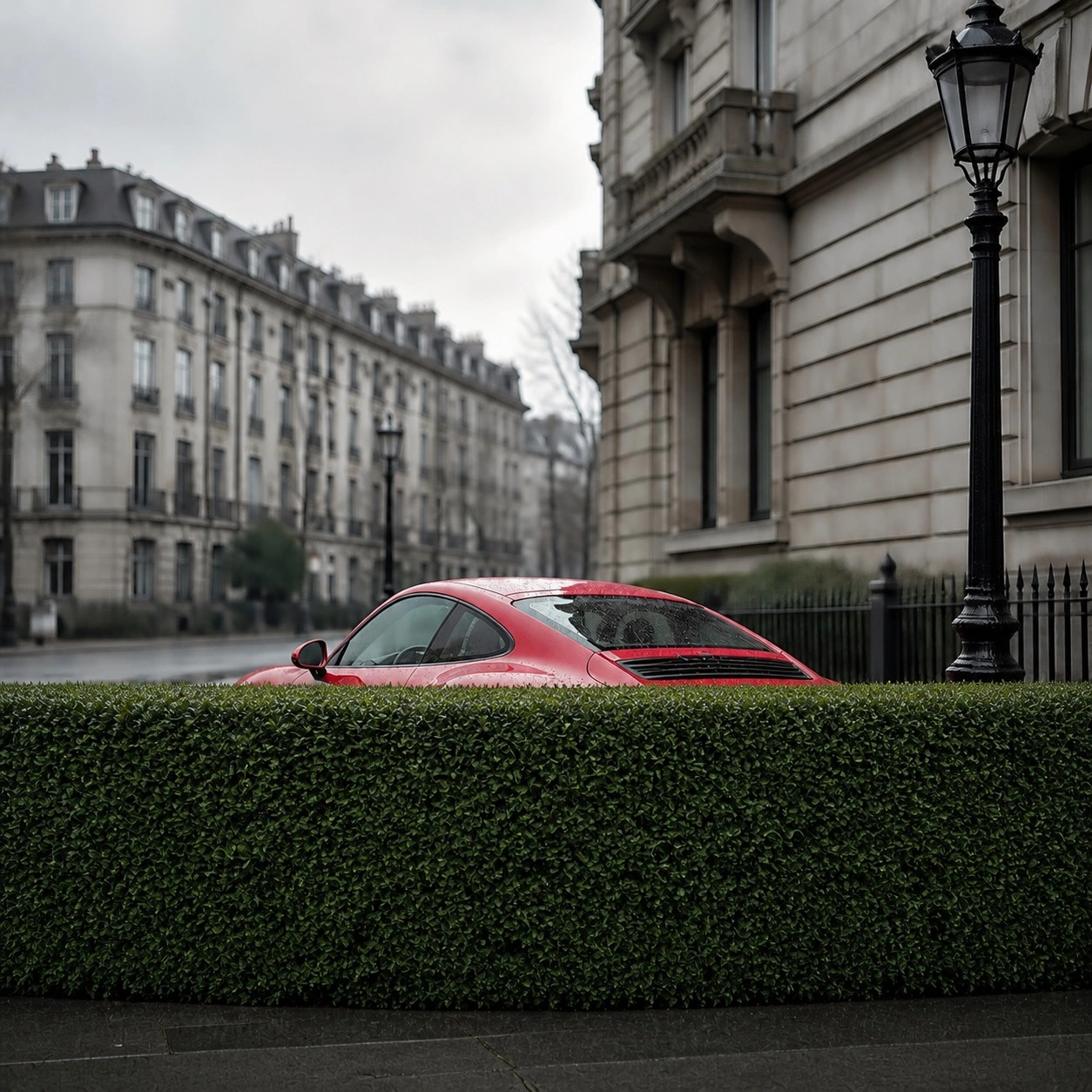


StitchEdit transfers a diffusion model’s depth priors to spatial image editing
through per-layer gradient probing and selective fine-tuning.
Qualitative Results
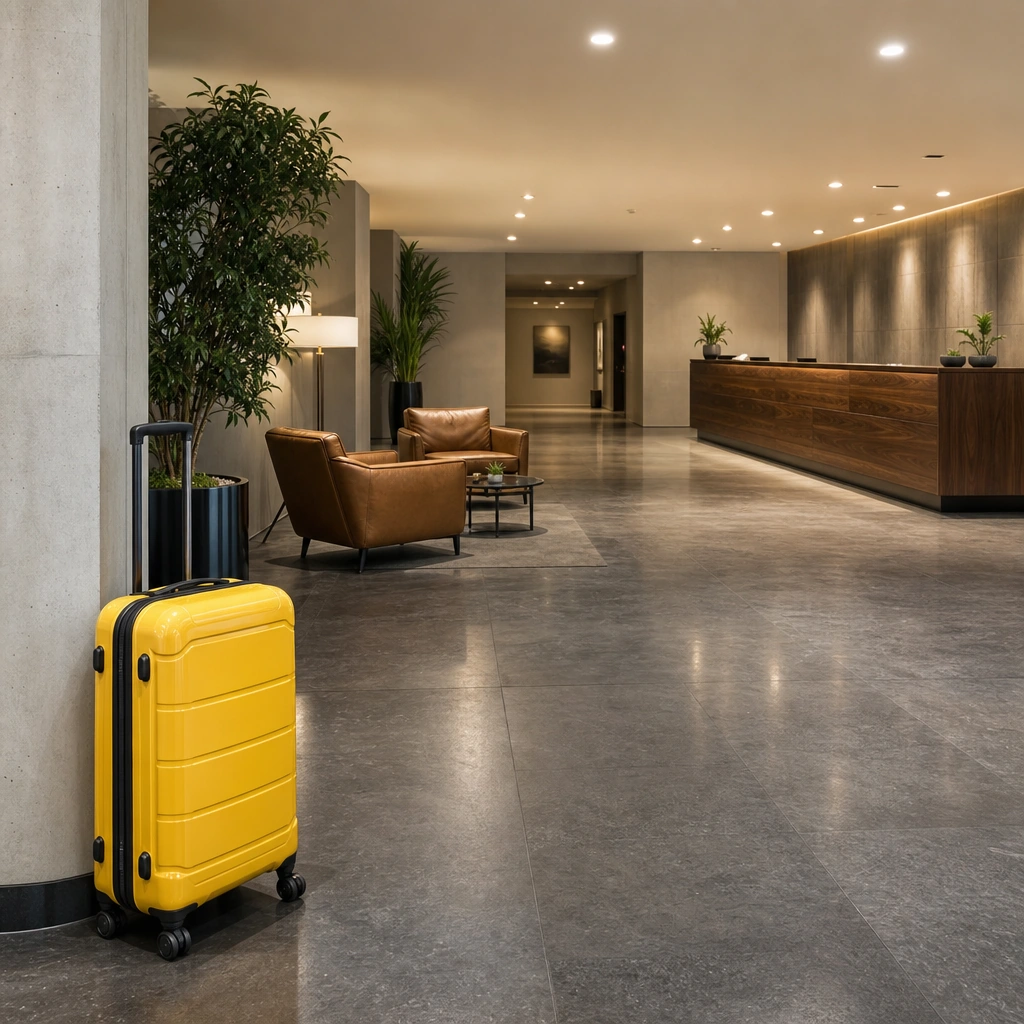
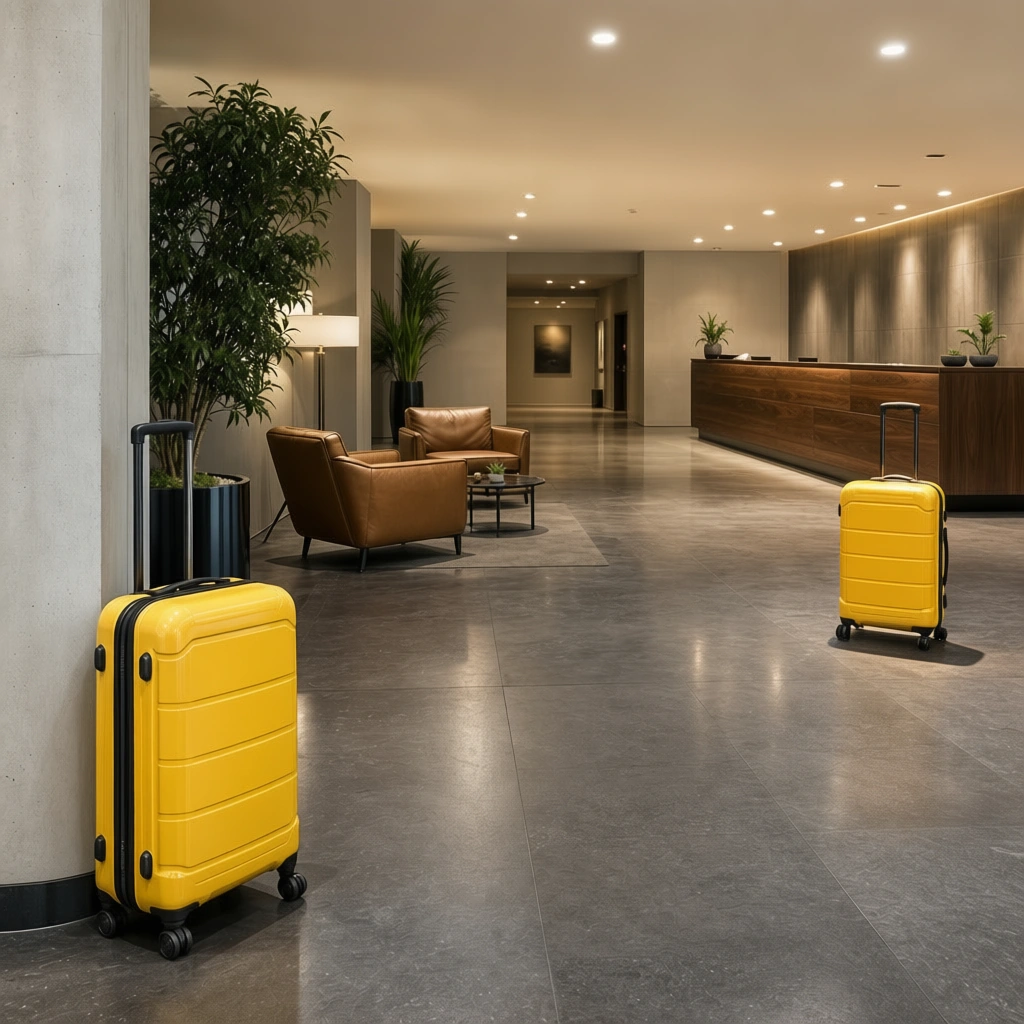
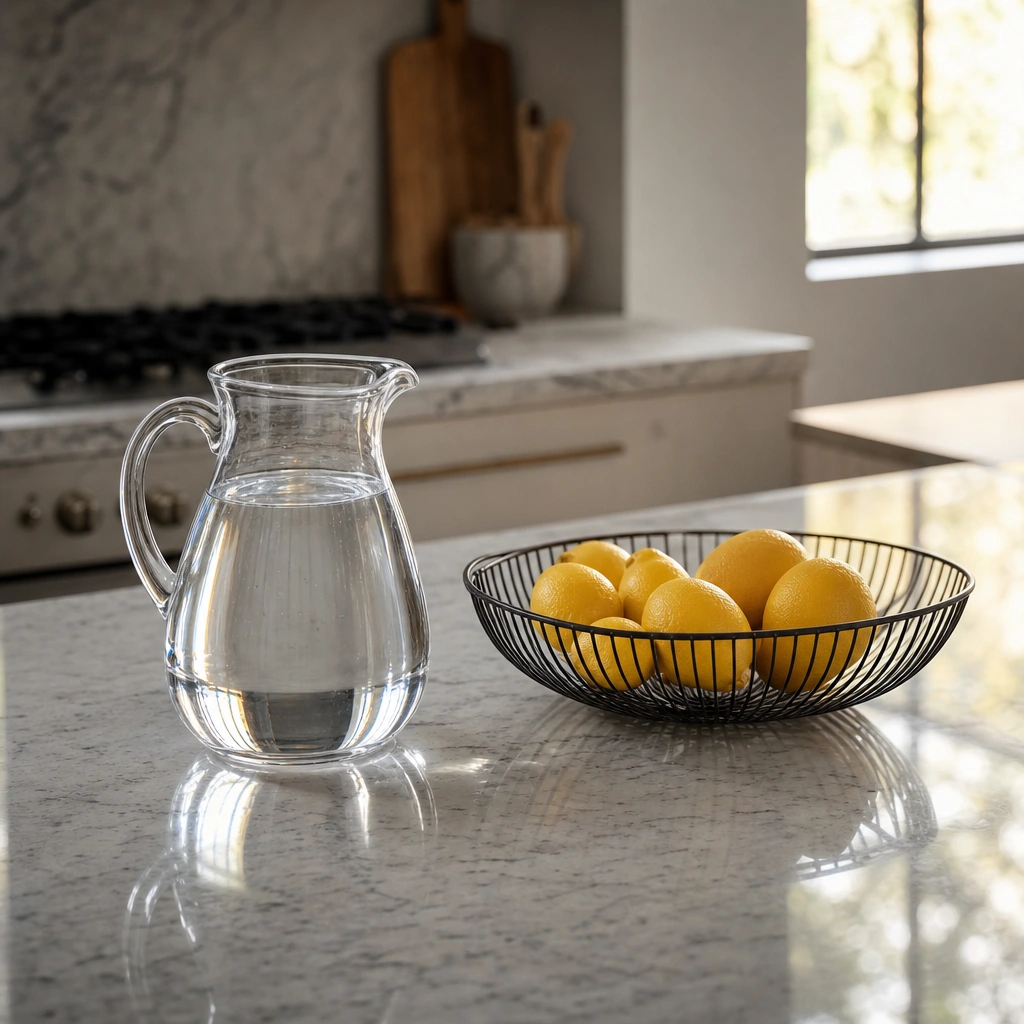
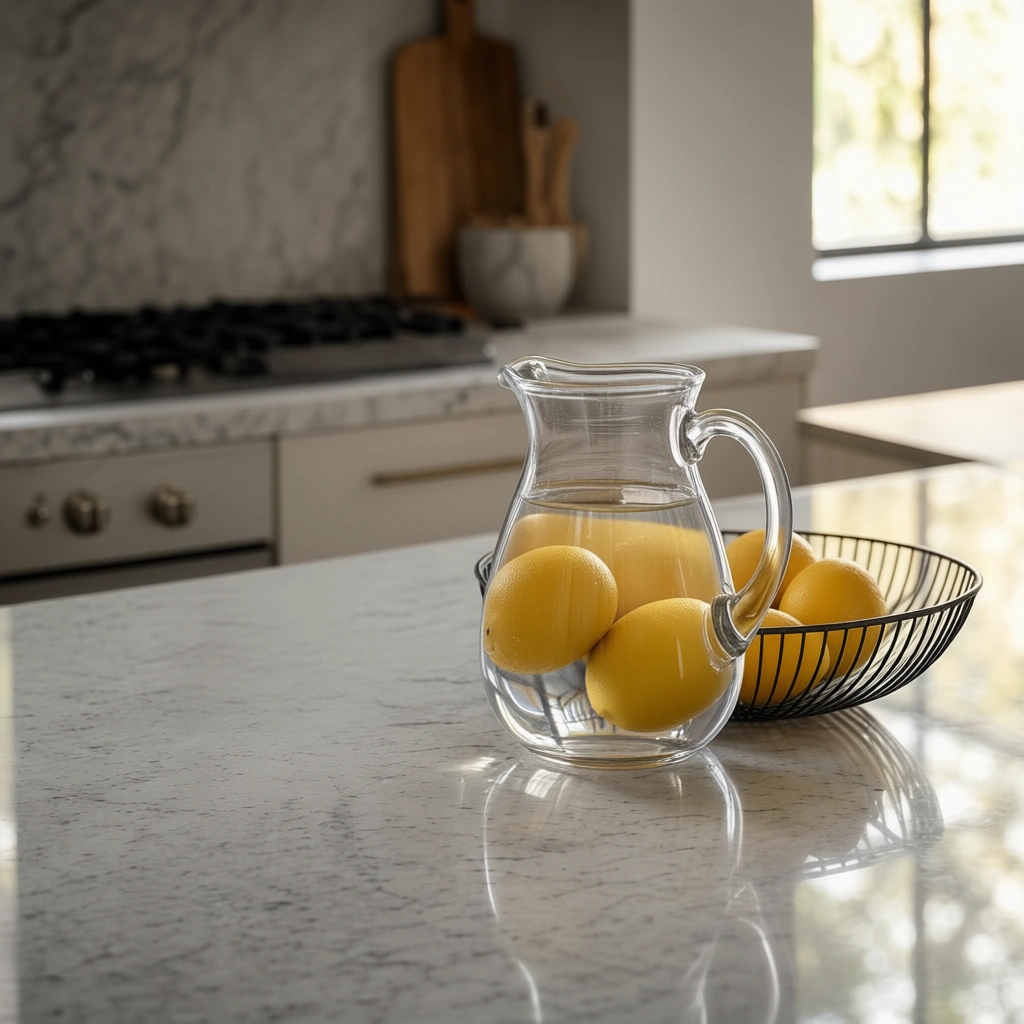
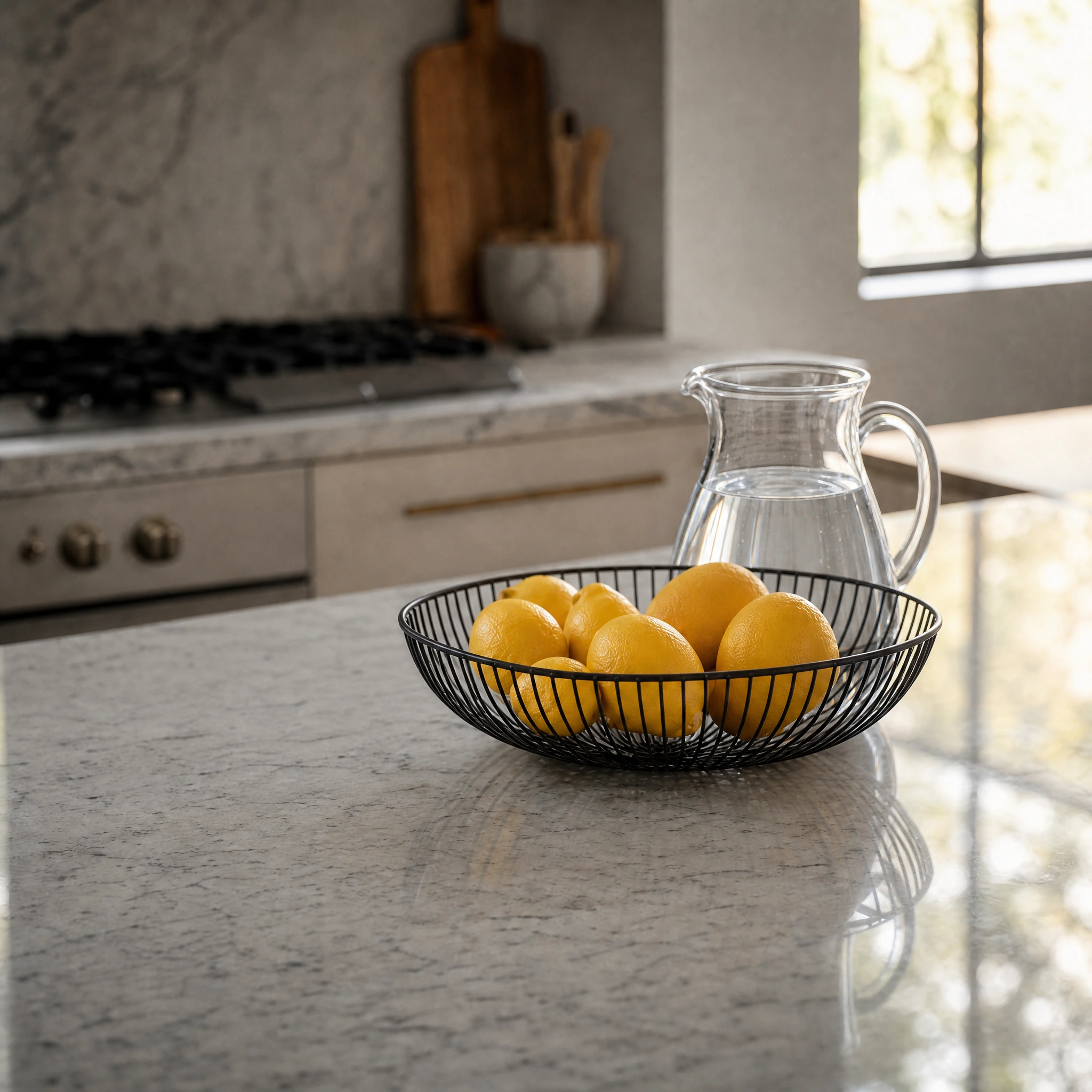
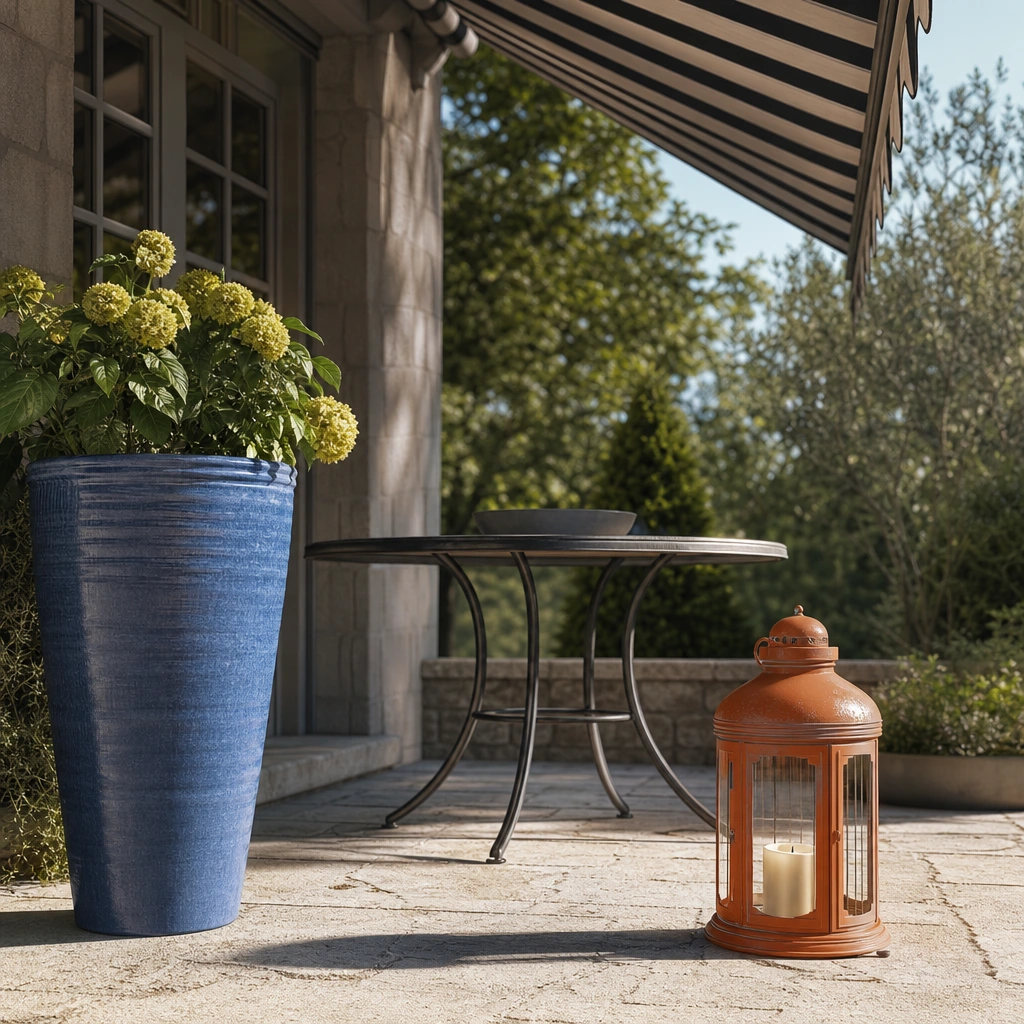
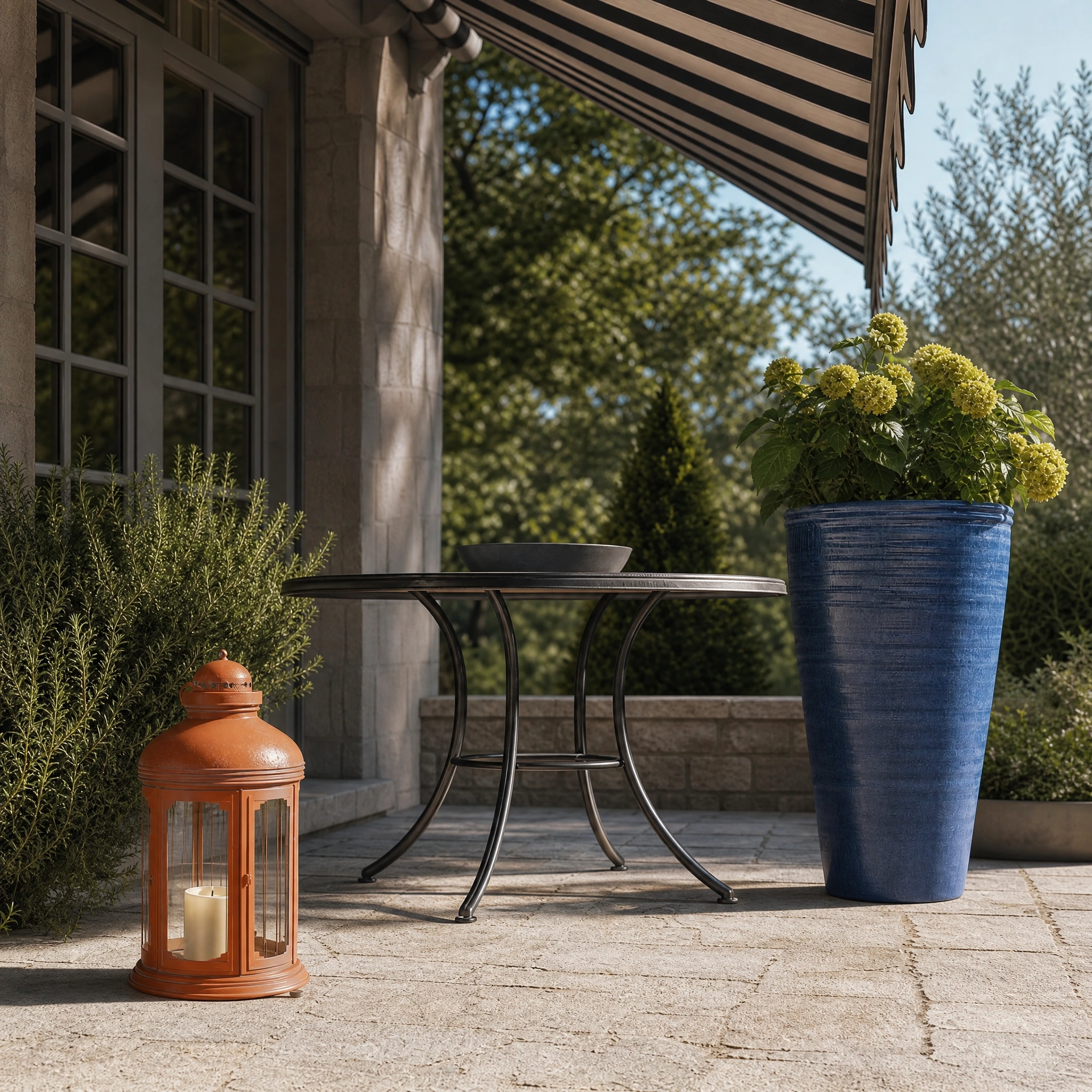
Spatial transformations, occlusion manipulation, viewpoint changes, and compound edits.










Abstract
Text-guided image editing with diffusion models struggles with spatial edits (e.g. manipulating objects, changing viewpoints, manipulating occlusions) that depend on the 3D structure understanding of a scene. Marigold and follow-up work demonstrate that a pretrained diffusion backbone already harbors strong geometric priors that can be activated for depth estimation, yet how to redirect these priors toward editing remains unresolved. Through per-layer gradient probing, we discover that the editing and depth objectives are compatible in early transformer layers but actively conflict in late layers, explaining why naive depth-conditioned editing either ignores geometry or degrades visual quality. We present StitchEdit, which first activates the backbone's geometric capability via a lightweight depth-denoising adapter, then selectively fine-tunes this adapter for editing using a probe-guided per-layer learning rate schedule that preserves depth knowledge where it helps and prunes it where it conflicts. On the proposed StitchEditBench, a benchmark of 150 geometry-dependent edits spanning spatial transformation, occlusion manipulation, and viewpoint change, StitchEdit consistently surpasses both instruction-based and depth-conditioned baselines on perceptual quality and geometric fidelity.
Methodology
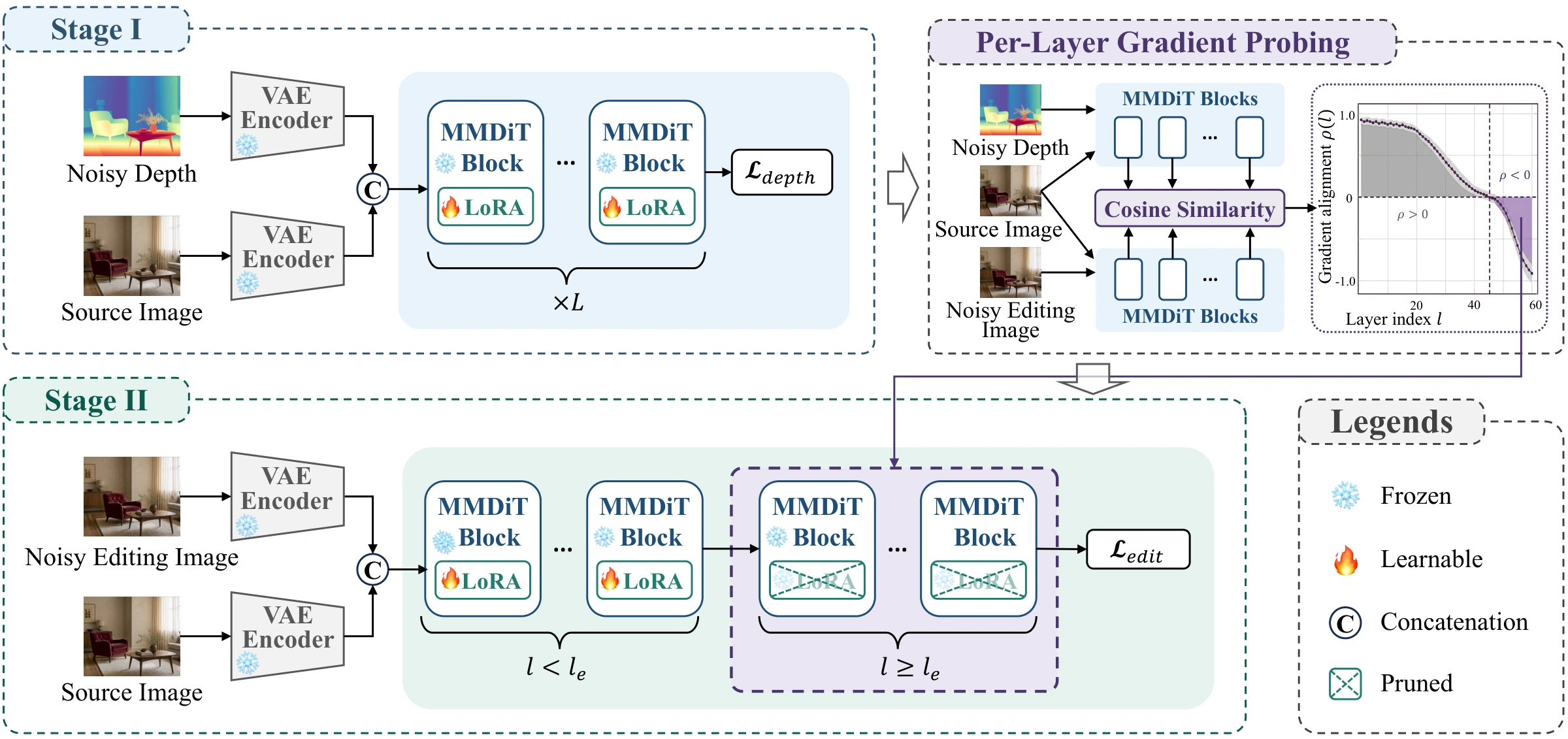
StitchEdit first activates the backbone’s geometric capability with a lightweight depth-denoising adapter. Per-layer gradient probing then measures the compatibility between depth and editing objectives: early layers cooperate, while late layers conflict. The probing profile guides both the per-layer learning-rate schedule and the pruning of conflicting adapters during editing fine-tuning.
Quantitative Results
Main results on StitchEditBench (150 test cases), as reported in Table 1 of the paper.
Scroll horizontally to view all metrics →
| Method | LPIPS ↓ | DCS ↑ | CLIP-Dir ↑ | User Pref. ↑ |
|---|---|---|---|---|
| Nano-Banana | 0.13 | 0.74 | 0.78 | 16% |
| Qwen-Image-Edit | 0.14 | 0.71 | 0.76 | 14% |
| Uniform FT | 0.14 | 0.80 | 0.76 | 12% |
| StitchEdit (Ours) | 0.10 | 0.92 | 0.81 | 58% |
BibTeX
@inproceedings{guo2026stitchedit,
  title={StitchEdit: Stitching Depth Priors into Image Editors
         via Per-Layer Gradient Probing},
  author={Guo, Qin and Xu, Dan},
  booktitle={Advances in Neural Information Processing Systems},
  year={2026},
  url={https://openreview.net/forum?id=Q7G74v5nSs}
}